
How Arrest Warrants Work in Sullivan County
In Sullivan County, an arrest warrant traces back to paperwork: a complaint, information, or affidavit paired with a judge's finding of probable cause. Officers and prosecutors supply the charging material. A judicial officer at Sullivan Circuit or Superior Court then decides whether custody is justified. Some misdemeanors begin with a summons instead. Skip a summons without excuse, though, and IC 35-33-4-1 allows a warrant once probable cause supports the underlying charge.
How a Sullivan Arrest Warrant Begins
The path runs complaint or information, judicial review, summons or warrant, Clerk entry, service, booking, initial appearance with bond review, then the later hearings. The warrant is a court order. The Sheriff executes it but never creates the charge. Sullivan County runs one Circuit Court and one Superior Court. The allocation plan sends misdemeanors to Superior Court, while some felonies split randomly between the two. To find the right door, rely on the cause number and the Clerk's record rather than the charge name alone.
Arrest Warrants: What They Contain
A Sullivan County arrest warrant or its court file can carry the fields you would expect: names, cause number, charge, bond, and hearing dates. MyCase may show only an event or part of the file. Check every value against the official Clerk record.
| Cause number | The exact Indiana case identifier from MyCase or the Clerk; no separate Sullivan warrant-number format was published. |
|---|---|
| Defendant | The legal name attached to the criminal case. |
| Offense | The statute, description, and felony or misdemeanor level alleged. |
| Judicial action | Probable-cause, summons, warrant, issue-date, and judge or magistrate entries. |
| Bond | The amount, type, release conditions, or hold ordered for the case. |
| Status events | Service, return, booking, recall, quash, hearings, and disposition where public. |
MyCase Has Sullivan Felony Document Limits
Search Indiana MyCase by full legal name or exact cause number, then filter for Sullivan County when the option appears. Read the chronology closely. Complaint, probable cause, warrant or summons, bond, hearing, service, recall, and disposition entries all matter.
Record limit: A missing warrant paper or search result does not prove that no Sullivan County arrest warrant exists.
The official access matrix shows that public online documents vary by case type, and sealed, expunged, juvenile, or confidential records stay restricted. For the full accessible file, call the Clerk at 812-268-4657. The Sullivan County office can pull what the portal cannot.
How Warrants Get Served in Sullivan County
The Sullivan County Sheriff serves county process and runs the jail. Sullivan City Police and other authorized officers can also make lawful arrests within their own roles. No separate warrant-division name or direct line appears in official Sullivan sources, so use the Sheriff's main number, 812-268-4308. Once an arrest happens, the Sheriff or jail handles booking and custody records, while a judge or magistrate takes up initial appearance, bond, and release conditions. The Clerk then logs returns, hearings, bond, and later orders. The county publishes no service roster or walk-in surrender page. A recall or quash, in every case, comes only from the issuing court.
Sullivan Sheriff and City Police Roles
In Sullivan County, the division of labor is simple. The court issues the warrant, the Clerk keeps the case record, and the officers execute the process. The roles overlap in practice, but each office answers for its own piece.
| Agency | Supported role | Contact |
|---|---|---|
| County Sheriff | County process, jail, custody confirmation | 812-268-4308 |
| Sullivan City Police | City policing, arrests, prisoner transport | Dispatch 812-268-4353 |
| County Clerk | Official docket, copies, court assignment | 812-268-4657 |
| Circuit / Superior | Warrant, hearing, recall, and bond decisions | 812-268-4411 / 812-268-6939 |
Save 911 for emergencies in Sullivan County. A non-emergency call can route a process question to the right desk. Only the issuing court, though, can change the warrant.
Arrest Warrants, Summonses, and Bench Warrants
These papers demand different responses. An arrest warrant authorizes custody on probable cause. A summons orders an appearance without an initial arrest. A bench warrant usually follows nonappearance or noncompliance in a case already open in Sullivan County. The bench warrant lookup covers the attendance side of that process.
| Feature | Arrest Warrant | Summons | Bench Warrant |
|---|---|---|---|
| Order | Take the defendant into custody | Appear on the stated date | Return a person to an existing matter |
| Basis | Criminal probable cause | Charging path allowing appearance | FTA, contempt, or noncompliance |
| Response | Attorney-guided surrender, bond, hearing | Timely voluntary appearance | Reset, motion, appearance, or bond as ordered |
Sullivan Bond Schedules Need Case Confirmation
The local bond rule spells out what Sullivan County typically charges. Murder carries no bond. Level 1 through Level 6 felonies run $50,000, $40,000, $30,000, $20,000, $15,000, and $8,000, while misdemeanors sit at $4,000. Indiana Criminal Rule 2.6 still leaves the final call with the court, so these figures are a schedule, not a promise for any one arrest warrant. The Sullivan County rule also allows a limited 10 percent cash option, with strings attached: it restricts who may post and what happens if another unrelated charge is pending. Call the clerk and confirm the exact amount, type, payee, and release terms before you pay anything. Bond only secures appearance. It will not dismiss the case or wipe the public docket.
Handling an Arrest Warrant in Your Name
Start with the cause number and the assigned court. Ask whether the Sullivan County warrant is still active, whether a voluntary appearance or attorney-arranged walk-through is allowed, where booking happens, and when bond gets addressed. The county publishes no walk-in hours and no warrant recall form.
Important: Speak with an Indiana defense lawyer and obtain court instructions before arranging surrender on an active Sullivan County arrest warrant.
Sullivan Domestic-Battery Release Conditions
Sullivan LR77-CR00-3 adds a 48-hour cooling-off period and no-contact terms after a preliminary domestic-battery arrest. Paying bond or serving the warrant does not override those conditions. The court's written order controls. Anyone in this category should ask counsel and the court about current release conditions before contacting the other person or returning to a location. Violating a no-contact order creates new legal trouble even once the original warrant is served.
Confirm Sullivan Status After Bond or Recall
After any Sullivan County appearance, bond, motion, recall, or quash order, hold on to the signed order, the receipt, and the next hearing notice. Call the Clerk to confirm the docket entry. Then call the Sheriff to make sure operational process records caught up.
- Verify the cause number and written court action.
- Confirm the next hearing and every release condition.
- Ask when the Sheriff received the return or recall.
- Recheck MyCase for public updates without treating it as real-time proof.
An APRA request can seek existing releasable Sheriff records in Sullivan County, described with reasonable particularity. It cannot force a new list or open sealed material.
Sullivan County and Federal Warrants Use Different Systems
Federal warrants come from federal courts, not Sullivan County. The U.S. Marshals Service or another authorized federal officer executes them. Sullivan County sits in the Southern District of Indiana, Terre Haute Division. The federal Warrant Information System stays restricted. No public self-check database exists for it. A clean MyCase result at the county level cannot rule out federal process, and a federal docket search may skip sealed warrant material. Anyone with a specific federal concern needs federal defense counsel. Get instructions from the right court or Marshals office. An unplanned appearance is a mistake. Out-of-state warrants follow extradition law under Indiana rules, where the Sullivan Sheriff may handle custody but cannot cancel another state's warrant. That order belongs to the issuing jurisdiction and qualified counsel.
What the Sullivan Clerk and Sheriff Each Confirm
The Sullivan County Clerk can tell you the court assignment, the public chronology, any complaint or order on file, the bond entry, and the hearing schedule. Ask about the recorded return or recall too. The Clerk cannot draft a defense or withdraw a warrant alone. Request the exact case status and the date of the latest judicial entry. The Sheriff handles a different side. That office covers county process, custody, booking, and whether an executable warrant still sits in the operational system. Dismissal, quash, and recall are court decisions. If the two records conflict, call the issuing court. Ask when its order went out for operational update. A good records request names the cause number, the rough issue date, and the document wanted, whether warrant, return, bond record, or recall order. Broad requests hit investigatory or confidentiality limits. A precise one also spares Sullivan County offices from building a person-level list they do not publish.
Sullivan Courthouse Routes Arrest Warrant Records
The official Sullivan County facilities page lists the courthouse that houses the Clerk and trial courts.
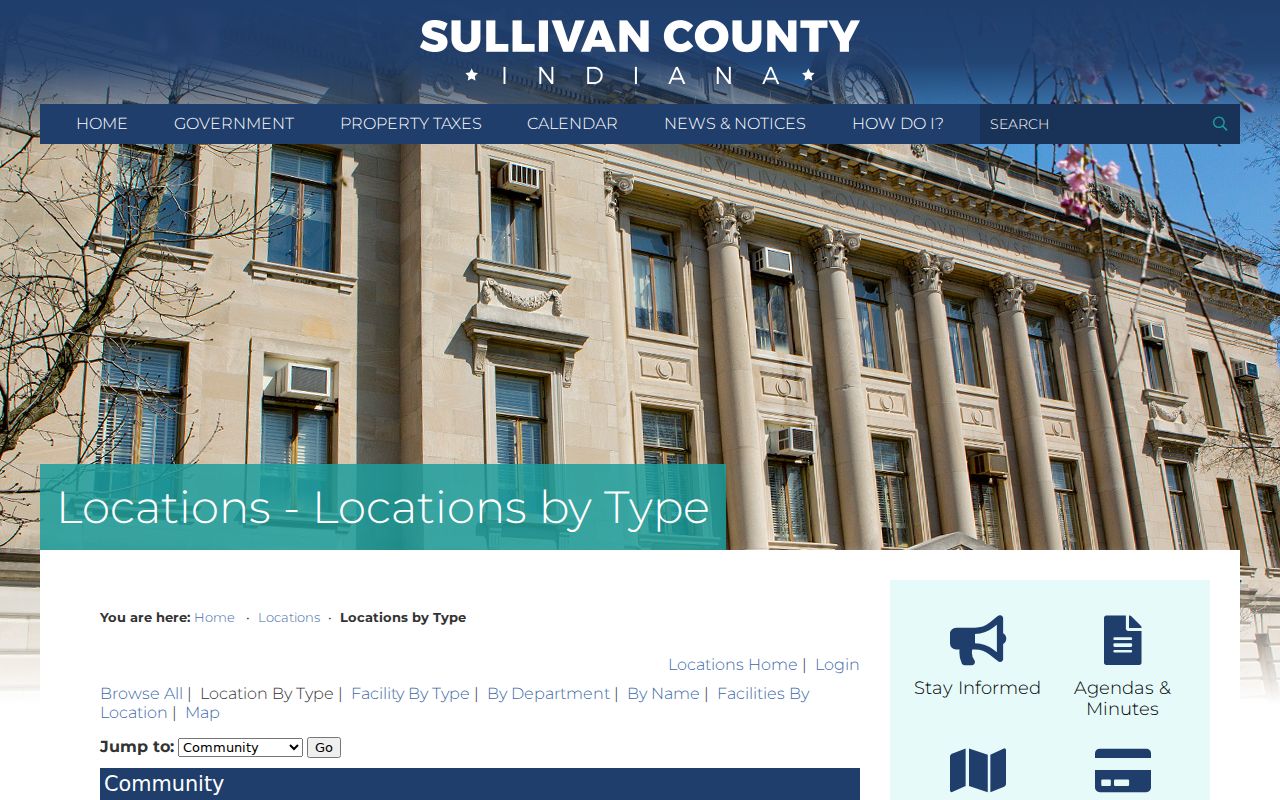
That is government-office context only. It shows no arrest warrant, no named person, no live warrant status. Use the cause number to reach the right room and court, and let the Sullivan County Clerk route an uncertain assignment before any planned appearance.